
Women in Ministry Leadership

Women in Ministry Leadership Program
Since its founding in 1997, The King’s University has championed the vital role of women in advancing the work of the Kingdom. Rooted in the vision of Dr. Jack Hayford, The Women in Ministry Leadership Program (WIML) exists to equip, encourage, and empower women who are called to lead, serve, and influence the Church and the world. Through academic programs, mentorship, and leadership development, the center provides a supportive environment where women can deepen their theological foundation, sharpen their leadership gifts, and step confidently into the call God has placed on their lives.
Program Overview
The Women in Ministry Leadership Program (WIML) at The King’s University serves as a place for formation, support, and meaningful connection for women pursuing their calling in ministry. The program creates space for spiritual growth, leadership development, and honest conversation around the unique opportunities and challenges women encounter in ministry contexts.
Women enrolled in graduate programs such as the Master of Divinity or the Master of Organizational Leadership may pursue a Women in Ministry Leadership concentration, while undergraduate students from any degree program are invited to participate in the experience. Through leadership training, guided discussions on real issues facing women in ministry, small-group mentoring, and an annual spiritual retreat, the program equips women to lead with wisdom, confidence, and a strong biblical foundation.
The King's offers the following accredited degree plans with a concentration in Women in Ministry Leadership:
Women in Ministry Leadership concentration courses include:
- BIBH 6308 History of Women in Ministry Leadership – 3 hours
- BIBM 6313 Current Issues: Women in Ministry Leadership – 3 hours
- BIBD 6315 Theology of Women in Ministry Leadership – 3 hours
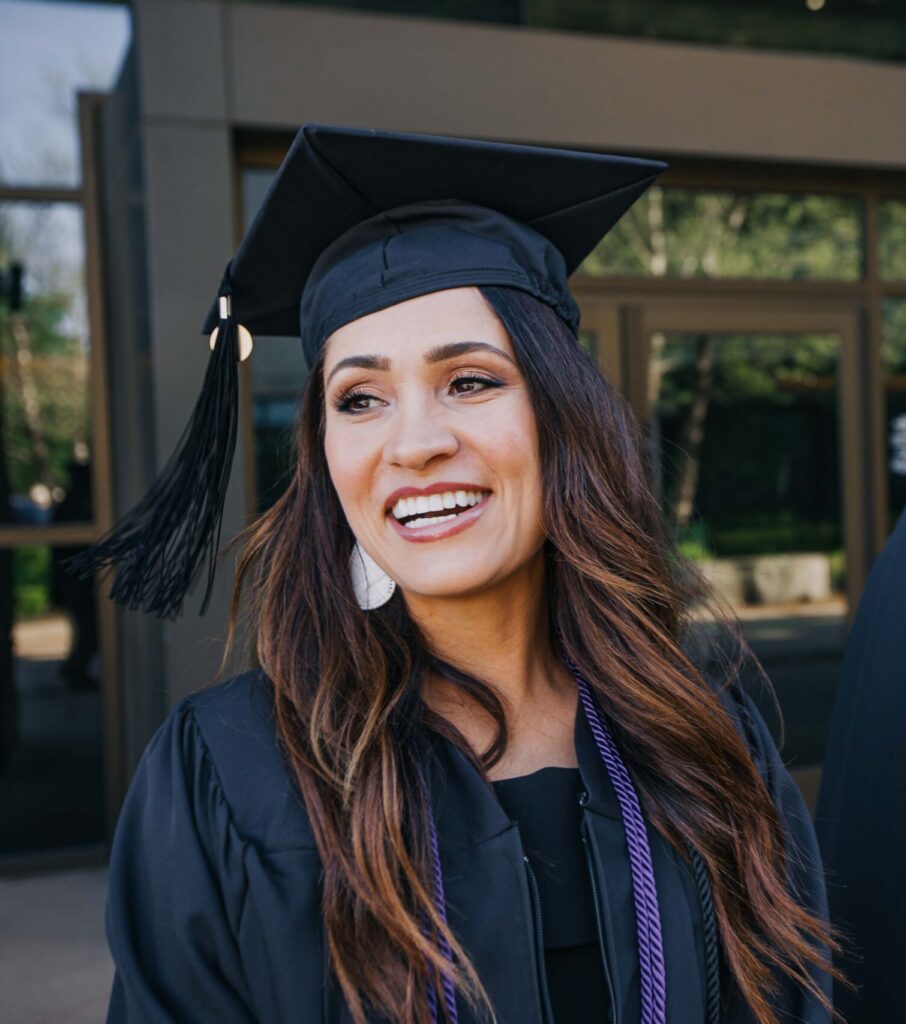
The WIML program became a place of healing and realignment. It helped me reconnect with God’s design for women, tear down the lies I had believed, and strengthen my identity in Christ.
Through that journey, my confidence as a leader was restored. As I graduated from the program, I felt equipped to walk boldly in my calling and to share what I have learned with other women leaders.
Today, I no longer feel the need to defend or fight for a place at the table. I know whose I am. And when a door opens and I’m invited in, I can simply show up as the fullest and healthiest version of myself—serving, leading, and being a blessing in whatever space God places me.